
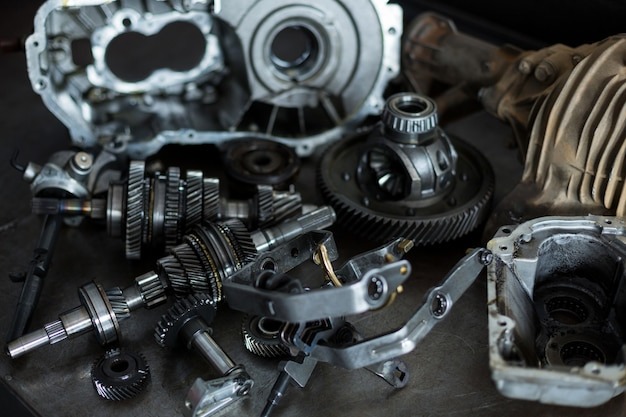
Diesel vehicles are widely used for transportation, commercial work, towing, and demanding driving conditions. Keeping a diesel vehicle in good condition requires regular inspections and the right maintenance equipment. While engine oil and filters are essential, several accessories can make routine servicing easier and help drivers monitor vehicle performance. Choosing quality components can also support reliable operation and reduce the risk of avoidable problems.
1. High-Quality Air Filters
Diesel parts and accessories include important filtration components such as air filters. A clean air filter helps prevent dust, dirt, and other particles from entering the engine. When an air filter becomes clogged, airflow can be restricted, potentially affecting engine performance and fuel efficiency.
Checking the filter regularly and replacing it when necessary can help maintain proper engine operation, especially for vehicles frequently driven in dusty environments.
2. Fuel Filters
Fuel quality is particularly important for diesel engines. A fuel filter helps remove contaminants and moisture that could otherwise reach sensitive fuel-system components.
Replacing the filter according to the vehicle manufacturer’s maintenance schedule can help protect injectors and other parts. Drivers should also pay attention to symptoms such as poor acceleration or difficulty starting, which may indicate a fuel-system issue requiring professional inspection.
3. Oil and Oil Filters
Engine oil reduces friction and helps manage heat inside the engine. An appropriate oil filter removes contaminants from the circulating oil, helping protect internal components. Regular oil and filter changes are essential for maintaining engine performance.
Always use the oil type and specification recommended for the specific diesel engine rather than choosing a product based only on price or general availability.
4. Battery and Electrical Accessories
A reliable battery is essential for starting a diesel engine, particularly during colder weather. Battery terminals should be kept clean and securely connected.
Accessories such as battery testers and chargers can help vehicle owners monitor battery condition and maintain adequate charge levels.
5. Diagnostic Tools
Modern diesel vehicles often contain electronic systems that monitor engine and emissions performance. Diagnostic scanners can help identify stored fault codes and provide useful information when warning lights appear.
Basic diagnostic equipment can make troubleshooting more efficient, although complex problems should still be handled by a qualified technician.
6. Belts, Hoses, and Maintenance Tools
Belts and hoses are smaller components, but they play important roles in vehicle operation. Inspect belts for cracks, excessive wear, or looseness, while hoses should be checked for leaks, swelling, and damage.
Keeping basic tools such as screwdrivers, wrenches, tire-pressure gauges, and inspection lights in a maintenance kit can also make routine checks more convenient.
Final Thoughts
Proper diesel vehicle maintenance involves more than simply changing engine oil. Air filters, fuel filters, oil filters, batteries, diagnostic tools, belts, hoses, and basic maintenance equipment can all contribute to reliable vehicle operation. Using suitable components and following the manufacturer’s maintenance recommendations can help extend the service life of important systems. Regular inspections also allow potential problems to be identified before they become more expensive repairs, helping diesel vehicle owners maintain dependable performance.