

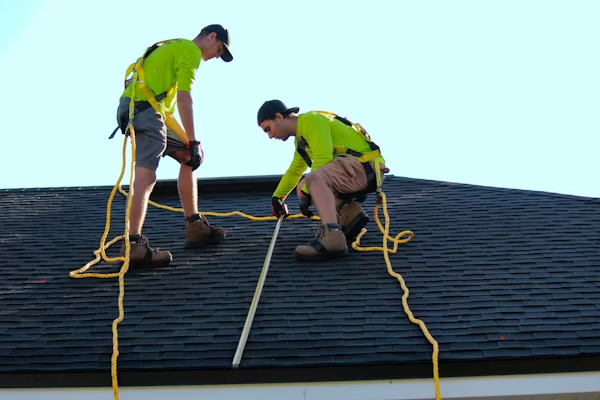
A roof is one of the most critical components of any home, protecting the structure, possessions, and occupants from weather damage. Over time, even the most durable roofing materials wear down, and delays in replacement can lead to costly repairs and structural issues.
Recognizing the early warning signs that a roof needs replacement can save both money and stress, ensuring your home remains safe, comfortable, and well-protected.
Visible Damage to Shingles or Tiles
The most obvious sign that a roof may need replacing is visible damage to shingles or tiles. Curling, cracking, or missing shingles indicate that the protective layers are compromised and no longer provide adequate weather resistance.
Granule loss on asphalt shingles, often visible in gutters or at the base of downspouts, signals that the roofing material has aged and is deteriorating. Large-scale damage caused by storms, high winds, or falling debris also necessitates immediate evaluation and often full replacement.
Leaks and Water Damage
Water intrusion inside the home is a serious indicator of roofing issues. Stains on ceilings or walls, damp spots in the attic, or dripping water during rainfall suggest that the roof is no longer fully watertight.
Persistent leaks, even after minor repairs, often point to underlying structural damage that can compromise the roof’s integrity. Addressing water damage early is critical, as prolonged exposure can lead to mold growth, rotting wood, and damage to insulation.
Sagging or Uneven Roof Lines
A sagging roof or uneven lines are clear warning signs that the roof structure may be failing. Over time, the combination of age, weather, and accumulated weight from snow or debris can weaken the underlying decking or support beams.
Any visible sagging should be inspected immediately, as it indicates a serious structural concern that may require full replacement to restore safety and stability.
Excessive Wear and Age
Every roofing material has a finite lifespan. Asphalt shingles typically last 20 to 30 years, while metal or tile roofs can endure longer. If the roof has reached or exceeded its expected lifespan, even without obvious damage, replacement roofing should be considered.
Older roofs are more susceptible to leaks, storms, and structural failures, and replacement ensures long-term protection for the home.
Moss, Algae, or Mold Growth
While moss or algae can sometimes be cleaned, extensive growth often signals that moisture is being trapped on the roof surface. This can accelerate deterioration of shingles or tiles, compromise waterproofing, and lead to wood rot. If moss or mold is widespread, it may indicate that the roof is aging beyond simple maintenance and replacement is necessary to prevent further damage.
Drafts and Poor Insulation
A failing roof can affect energy efficiency in the home. If rooms are unusually drafty or heating and cooling bills increase despite normal use, the roof may no longer provide sufficient insulation. Gaps, cracks, or worn materials allow heat to escape in winter and enter in summer, creating discomfort and higher utility costs. Replacement can restore both protection and energy efficiency.
Frequent Repairs
When repairs become increasingly common, the cost and effort may outweigh patching an old roof. Repeated leaks, broken shingles, or flashing failures are a sign that the roof has reached the end of its useful life. Investing in a full replacement is often more cost-effective in the long term, providing peace of mind and avoiding ongoing maintenance headaches.
Recognizing these signs early—visible damage, leaks, sagging, age-related wear, moss growth, insulation issues, and frequent repairs—ensures that your home remains safe, energy-efficient, and structurally sound. A timely roof replacement protects your property and prevents more extensive damage down the line.